
WELCOME TO ALL SANTA CRUZ COUNTY, AZ EDUCATORS!

All Santa Cruz County Educators are invited for an advanced workshop about the stunning biodiversity of the Sky Islands region. Via a combination of slide shows, nature walks and hands-on activities, educators will be given the tools, methods, and techniques required to form effective school-based Sky Islands Conservation programs and learn effective ways to impart critical environmental concepts to the students. It is imperative to educate future generations about the amazing wildlife and native plants that we are fortunate to have in the Madrean Archipelago – including our extraordinary natural heritage in Santa Cruz County!
- Why is the world class biodiversity that we have in Santa Cruz County so famous?
- What are the Sky Islands?
- How can we collectively inspire Santa Cruz County, AZ students to learn about and help protect the local species that help support a healthy environment and thriving economy?
Join this Professional Development opportunity at – NO COST TO YOU – and receive a Sky Islands Biodiversity Certificate upon Completion.
WELCOME TO ALL EDUCATORS

Since 1987, Naturalist, Wildlife Biologist, Ethnobotanist, & Wilderness Survival Instructor Vincent Pinto has taught countless other educators how to effectively engage students of all ages with their natural environment, inspiring them to become the next generation of conservationists via Ravens-Way Wild Journeys LLC. Passionate about the urgent need to help protect the Sky Islands unique biodiversity, Vincent has been offering Sky Islands education and conservation programs for over 35 years.
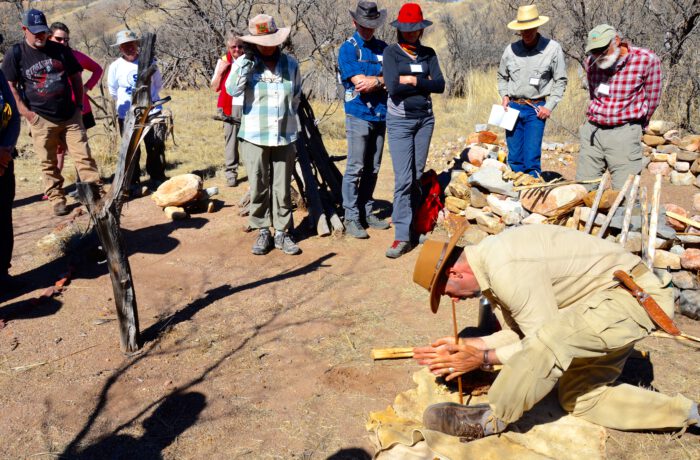
Over decades, Vincent Pinto has developed very solid and rewarding Education Partnerships with countless American, Canadian, European and International Universities and Colleges, International Conservation & Ecological Organizations, Outdoor Environmental Schools and the National Outdoor Leadership School (NOLS), among others.
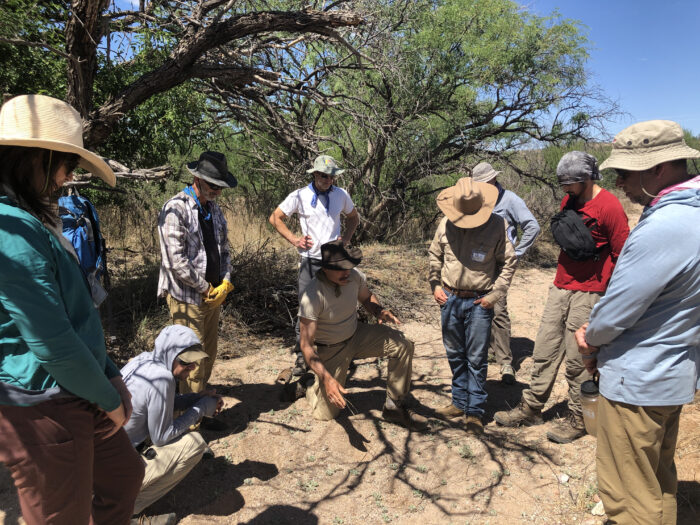
Our Nature and Science School is designed to immerse all levels of College in a hands-on Nature experience, incorporating seamlessly your curriculum and the specific needs of your group. We’ll work with you to custom-make a program that will be an unforgettable Nature Adventure and learning experience for your students. We aim to inspire young men and women to not only see the inherent values in Nature, but also to participate in the the amazing wonders of the natural world.
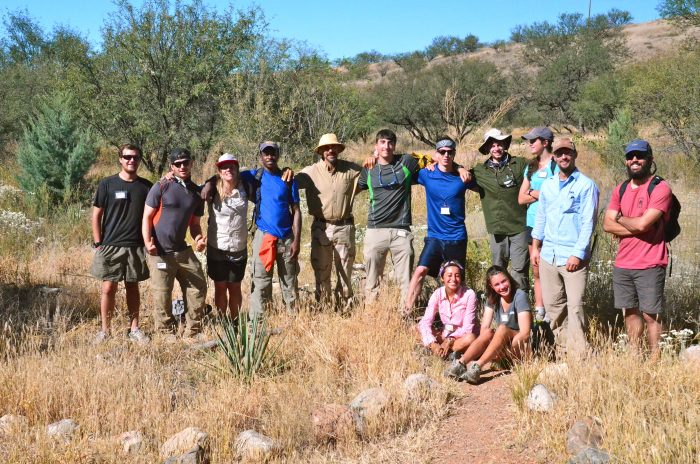
Safety is always stressed in all of our Nature and Science School offerings – from both physical and emotional perspectives. While we focus deeply on learning, the well-being of visiting students is always foremost in our minds! Learning while having fun at Raven’s Nest Nature Sanctuary is a priority. As hosts and instructors we strive to make each individual student feel that this is their home away from home!

Best of all, is the experience at RAVEN’S NEST our 42-acre Nature Sanctuary near Patagonia Lake and Sonoita Creek State Natural Area. Here your students will enjoy private access to our miles of Nature Trails and engaging Sky Islands Discovery Center – a Nature Center full of endlessly fascinating natural history and wilderness survival displays. They can explore to their heart’s content and have fun while learning about the ecology of the Sky Islands region.
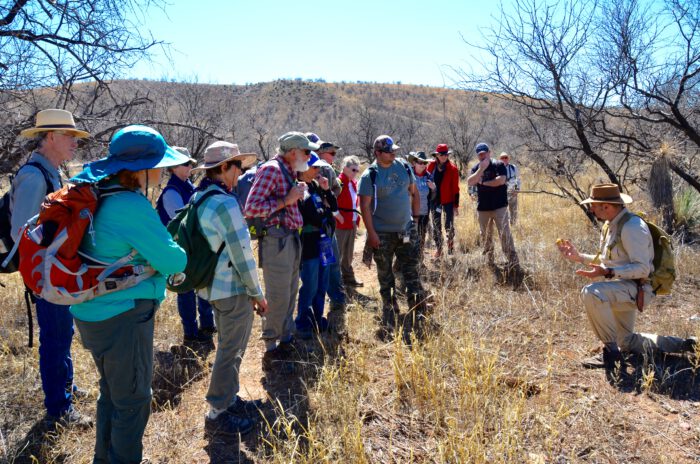
The Eco-Lodge facilities at Raven’s Nest Nature Sanctuary include:
- Use of the Sky Islands Discovery Center – complete with many Natural History displays, Ecology classroom, Ethnobotany displays, Stone-age & Wilderness Survival classroom, Earth Stewardship classroom, Commons Area, and Organic Orchards & Edible Gardens
- State-of-the-art stainless steel Incinerator Toilets
- Solar Showers
- Hot indoor Showers
- Covered Dining Area
- Shade Ramadas
- ~ 6 miles of beautiful Nature Trails
- Access to our fascinating Stone-age Village – perfect for learning Wilderness Survival Skills
- Outdoor sinks with delicious well water
SKY ISLANDS DISCOVERY CENTER


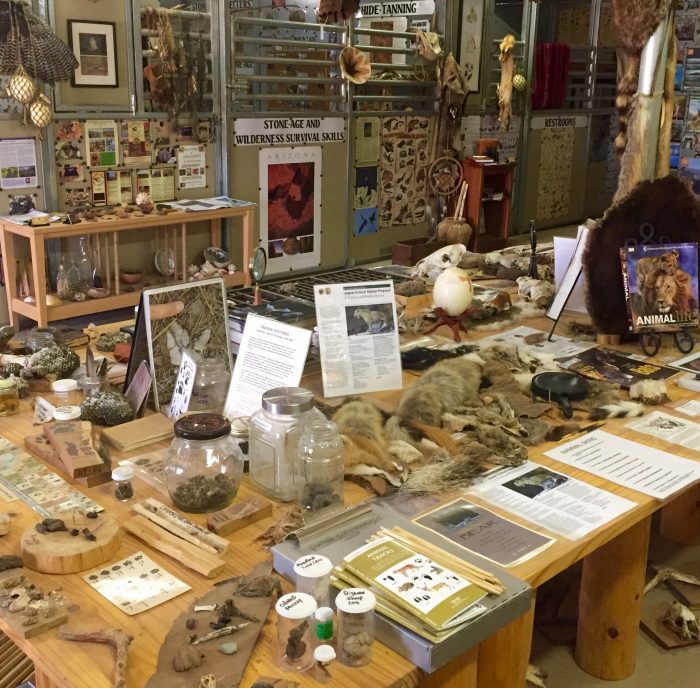
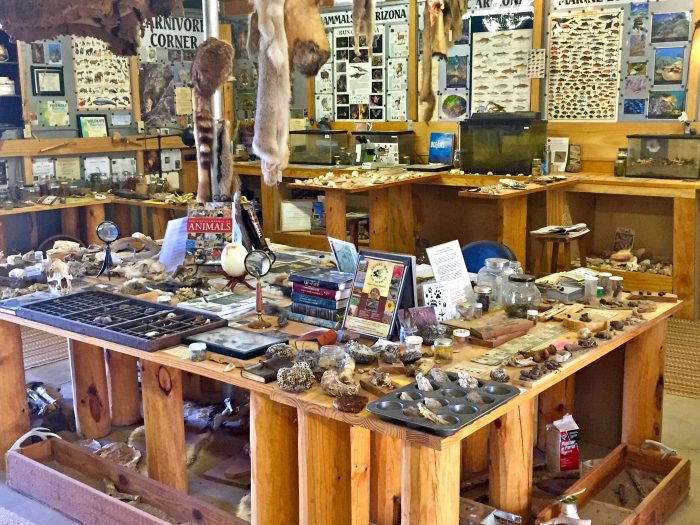
I. WILDERNESS SURVIVAL SKILLS PROGRAM

What would you do if you found yourself lost in the desert? The woods? The mountains? Would you know how to make the things that you need directly from the natural environment? What if you lost some or all of your modern gear or it failed – would you know what to do?? Though countless people find themselves in survival situations each year, few are truly prepared. If you or your family enjoy time in the great outdoors, then you owe it to yourself to empower your mind with the knowledge and practical skills that may someday save lives.

Unlike many survival courses taught today, we focus exclusively on what Nature can provide, not fancy survival kits. Students will learn to value and respect the natural resources around them, as they will discover how useful they can be in a wilderness survival situation. We invite you and your students to be empowered by knowledge, experiencing the old adage – “the more you know, the less you need!”.
 At the conclusion of their RWWJ Wilderness Survival Program students will be a wealth of life-saving knowledge for their family and friends and receive certificates of achievement in recognition of their accomplishments!
 We recommend an in-school pre-trip visit by Vincent who is an expert Wilderness Survival Instructor, Wildlife Biologist, Naturalist, Ethnobotanist, and Astronomer. Meeting your students at their school allows for a relaxed introduction to each other and a chance to view a slide show, highlighting some of the activities in the wild, wilderness survival skills to come, as well as the ecology of the Sky Islands region. The slide show can be custom-made to suit your exact curriculum needs.
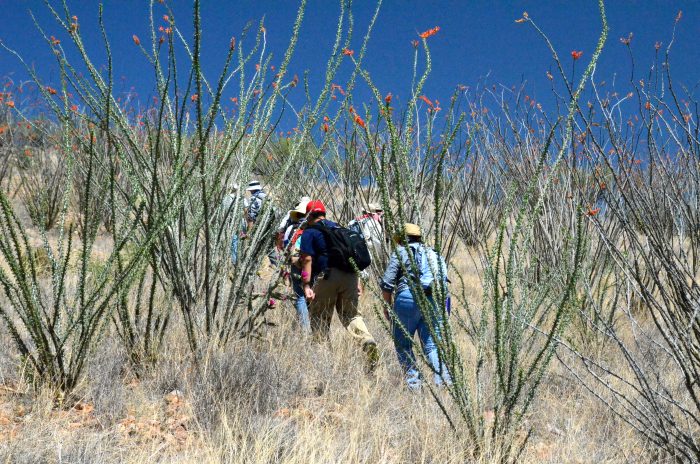 Choose from any of our STONE-AGE & WILDERNESS SURVIVAL SKILLS Curriculum, including:
WILD EDIBLE PLANTS


Exploring among the area’s deserts streams, forests, and grasslands you’ll learn how to find, identify, harvest, process, eat, and store a plethora of wild taste treats. We’ll also look at a hunter-gatherer diet for the area, cover a variety of stone-age cooking techniques, discuss safely using wild edibles, and make several plant-collecting/ processing tools. By the end of the class you’ll count each plant as, literally, a friend for life. 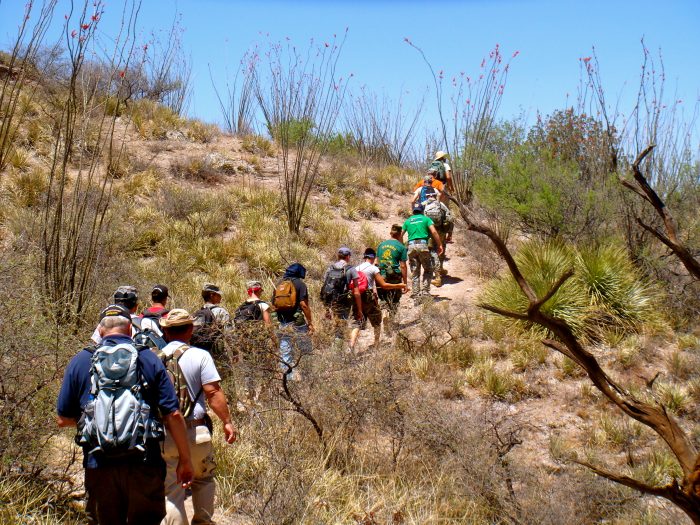
Note: given the inherent risks in consuming wild plants, students must be a legal adult in order to actually consume them. NO Exceptions! Students of any age can learn about wild edible plants and their role in human ecology.
WILD MEDICINAL PLANTS

Using the diversity of environments at our disposal, we’ll delve into a wide variety of natural, plant-based medicines. During the class we’ll address such ailments as: headaches, stomachaches, sore muscles, infections, bleeding, abrasions, eye infections, sore throat, colds, and more. You’ll also prepare your own herbal salve and wild teas to take home. Learn how Nature heals all!
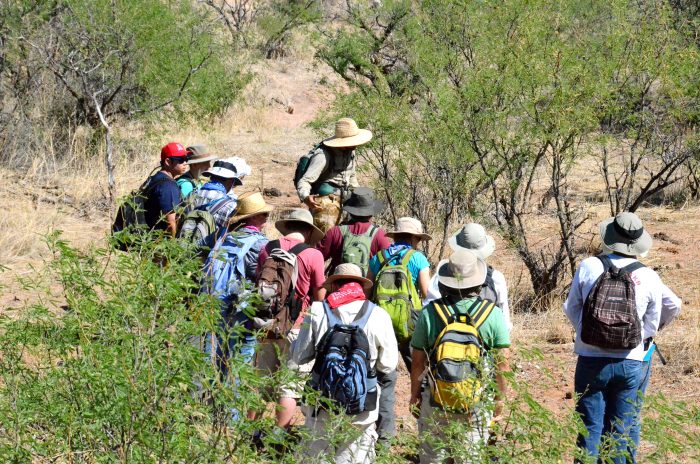
Given the inherent risks in using wild plants for medicine, students must be a legal adult in order to actually collect and possibly use them. NO Exceptions!

NATURAL SHELTERS
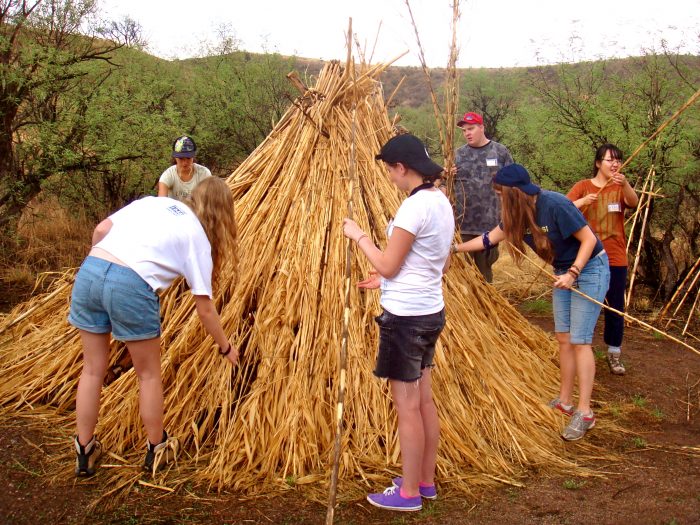
Take away our modern buildings, tents, plastic and other familiar materials and many would be at a loss as to how to shelter themselves from the elements. Yet shelter-building constitutes a crucial wilderness survival skill that can readily save lives.
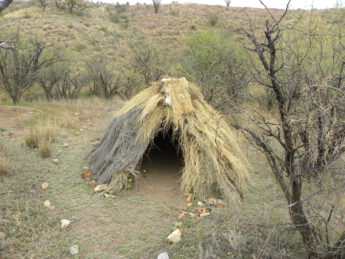
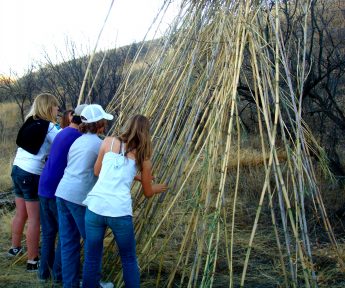
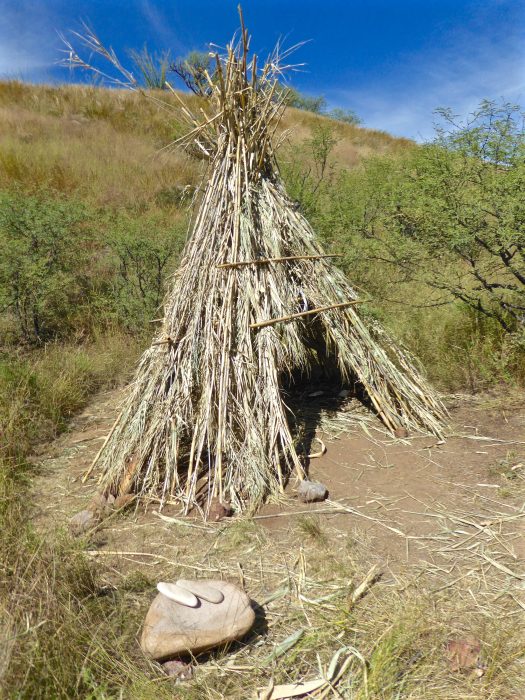
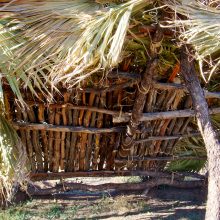
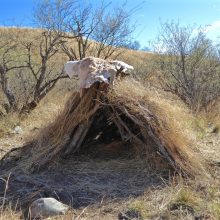
Now you can learn first-hand how to construct, live-in, and maintain both ephemeral and semi-permanent stone-age shelters. Using the examples in our Stone-age Village, your students will learn how to construct: lean-tos, wickiups, shade ramadas, a-frames, and other creative shelters. The empowering knowledge that students will gain in the class, will allow them to efficiently build their own wilderness shelters from earth, stone, plant, and other materials.

STONE-AGE TOOLS

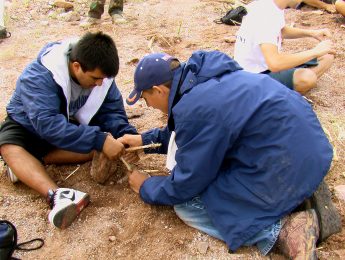
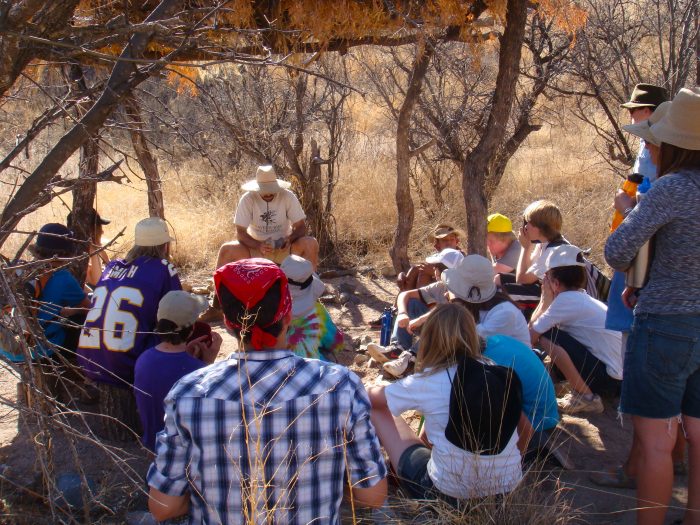 Further, we’ll guide you in learning how to effectively use each of your creations. See how working hands-on with the bounty of the Earth inspires your students and gets their creative juices flowing!

FIRE-BY-FRICTION
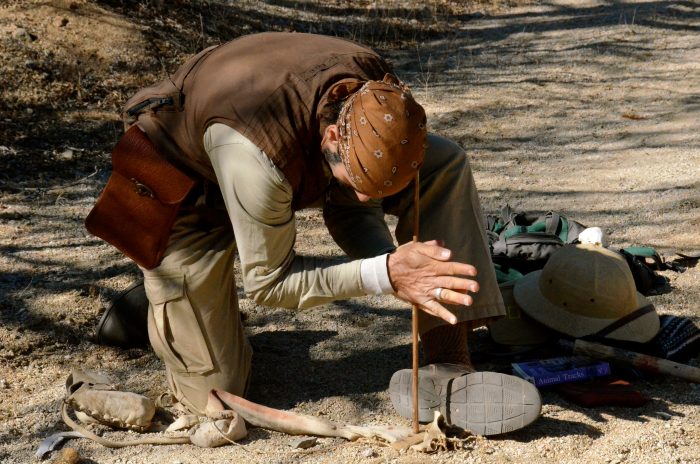
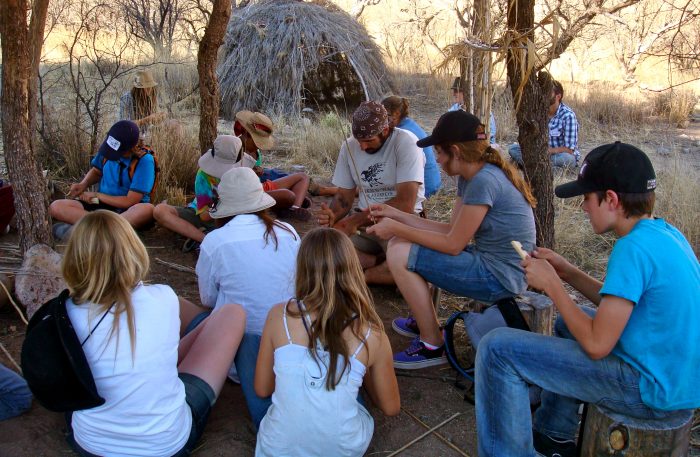
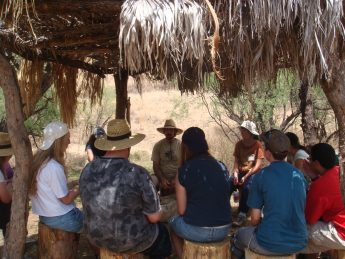
THE ART & SCIENCE OF TRACKING

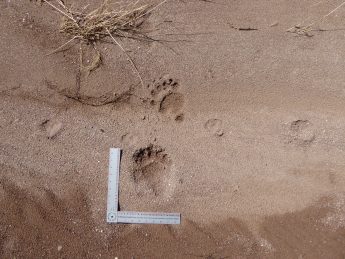
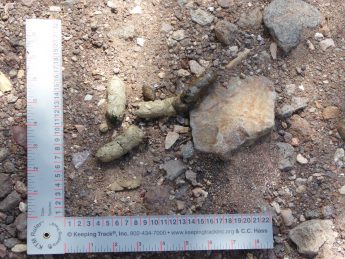 Donʼt miss this powerful opportunity, as we teach your students how to find, identify, age, and interpret a wide range of wildlife tracks and signs. While the focus of the class will be mammal tracks, weʼll also delve into the tracks and other signs left by birds, reptiles, amphibians, and even invertebrates.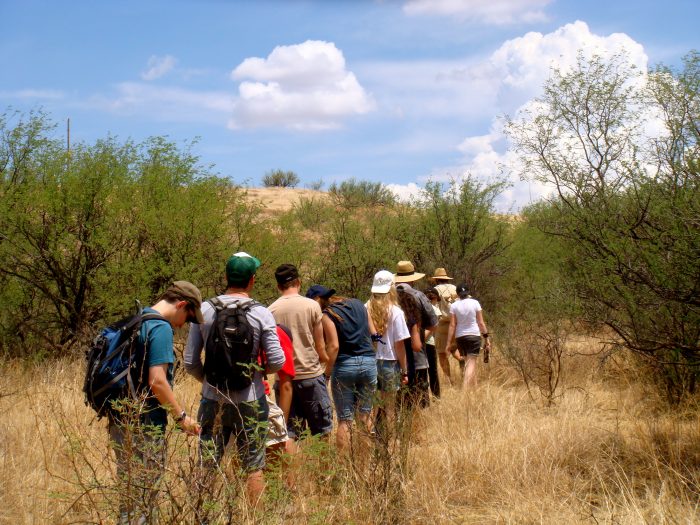
ROPE-MAKING
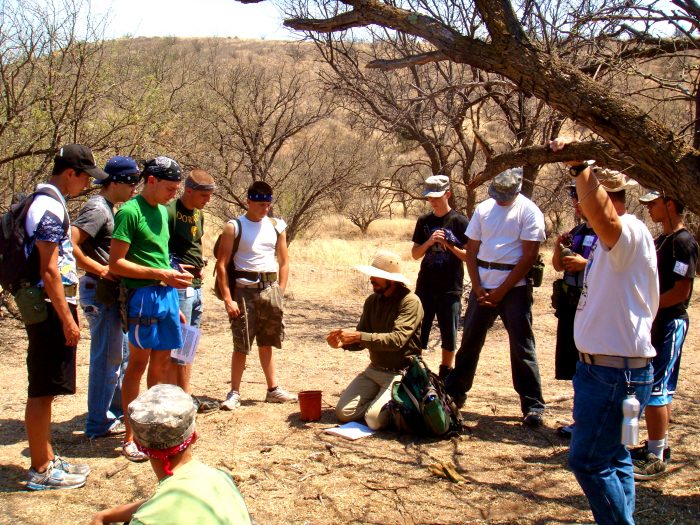
The world is full of various natural fibers and after taking this class your students will know just what to do with them! Cordage finds its way into so many other survival skills, including: shelters, tools, fire-making, basketry, hunting, and more.

Using your own hands, as well as simple stone-age tools students will learn the basics and beyond of cordage-making. Along the way they can also craft a variety of projects that rely heavily on the rope that we’ve created. While you may sometime feel “fit to be tied” in the wilderness, you’ll now learn what it means to be “tied to be fit”, as you rediscover this ancient art!
FLINT-KNAPPING

STONE-AGE HUNTING & TRAPPING

During this class we will hearken back to a time when we sought the lives of our animal relations for our daily sustenance. We will approach each tool and hunting weapon with an attitude of reverence and respect, seeking to honor the hunt. Hands, sticks, rocks, traps, snares, and bow/arrow gain new meaning when used properly and crafted directly from Nature. Safety and respect for all of life are always stressed in this class.
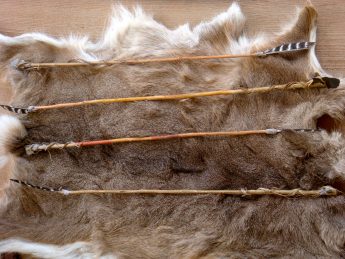
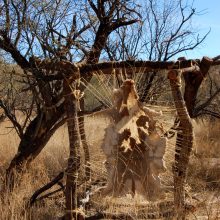
Students can also learn the art of transforming your quarry into a plethora of useful items. See how hides, bones, antlers, hooves, and sinew gain new life in a variety of stone-age projects.
Note: Needless to say, absolutely NO animals are ever harmed at our beloved Raven’s Nest Nature Sanctuary as we practice these skills. We simply want to educate the students about the Wilderness Survival Skills successfully employed by all of our ancestors and which could save lives during an emergency survival situation.
II. ETHNOBOTANY PROGRAM
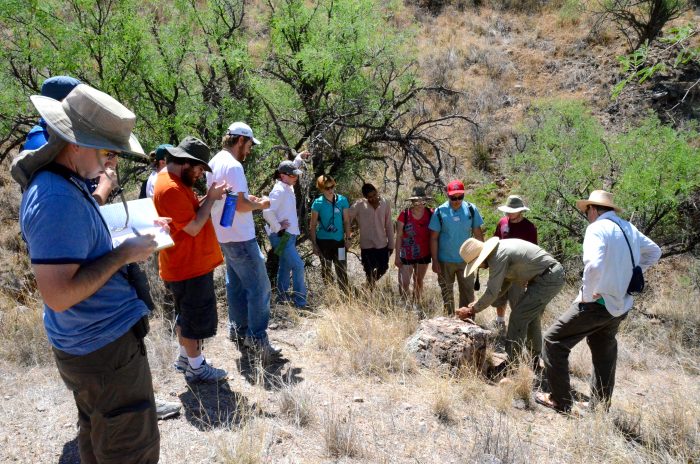
Ethnobotany – the study how people use plants for a wide variety of purposes – is perhaps the oldest field of human study. Anthropological evidence suggests that humans have always had a plant component to their diet and have used tools (many plant-based) since prehistoric times. It is a fascinating field where your students will gain respect and appreciation for the abundant native plant resources in the Sky Islands and the Southwest.

Your students will learn which species can be used for food, shelter, tools, hunting, basketry, fire-making, art, medicine, and many other purposes. In the process of exploring a wealth of useful plant species, they will keep journal records and make a take-home craft or tool involving a native plant.
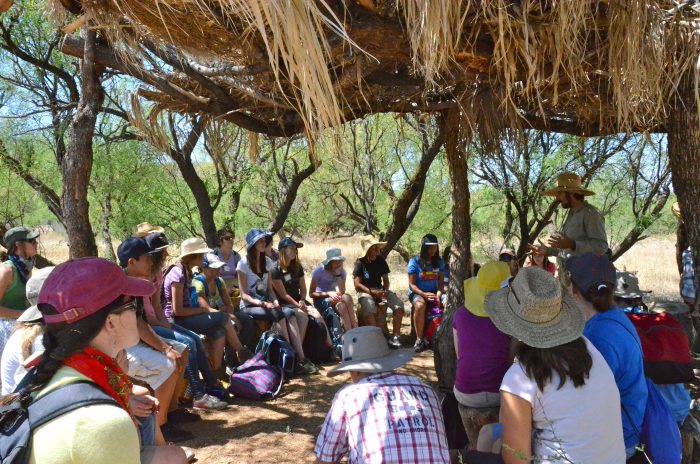
Ethnobotany is also a vital foundation for becoming a well-rounded Naturalist and wilderness survival practitioner. Students explore the plant world in depth via the curriculum in this fascinating program, covering the many uses that humans have for wild, native Sky Islands Plants.
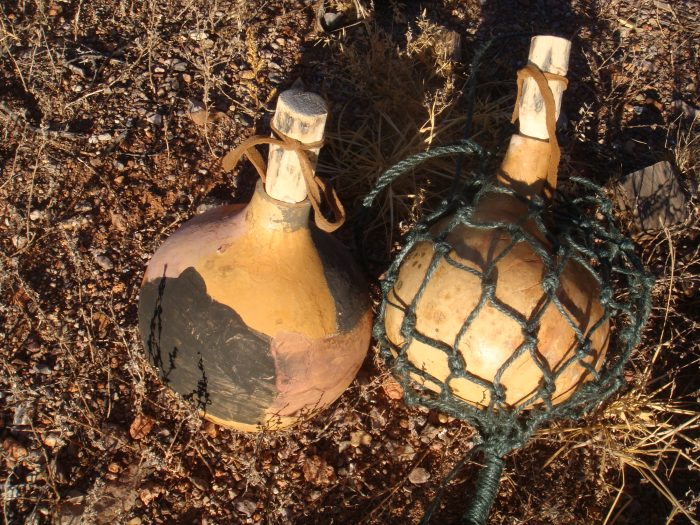
III. SURVIVAL OSTRICH EGG & GOURD CANTEENS

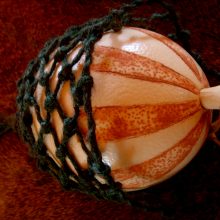
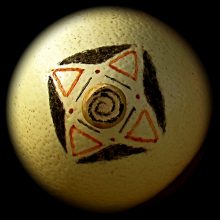
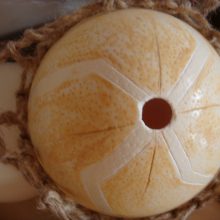
One of the most challenging aspects of Stone-age & Wilderness Survival Skills is to be able to primitively contain and transport water. Both Ostrich eggs and gourds can be transformed into useful and beautiful vessels that admirably perform this very task. Students will learn how to make each water container safe, create a carrying bag, and adorn their creations with stone-age artwork. Follow in the footsteps of our ancestors in learning these ancient skills!
IV. SURVIVAL SOUTHWESTERN BASKETRY
V. SCIENCE & ECOLOGY PROGRAM
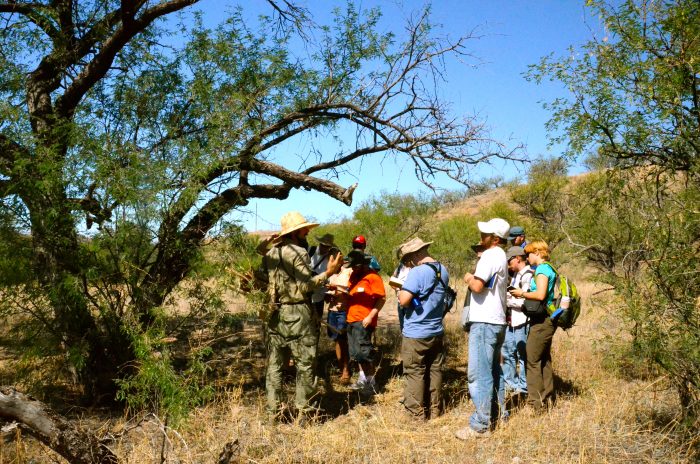 Given the inherent diversity of the natural world, we strive to reflect that abundance with our wide range of Science & Ecology topics. You can choose from the following classes:
VI. SOUTHWESTERN ECOLOGY

Explore any environment in the Southwest with us – from Deserts up to Spruce-Fir forests in quest of both fun and knowledge. We will guide your students as they investigate the beautiful details of the environment, learning about the vital components and natural resources that make it work. We will cover: food chains, ecosystems, natural cycles (water, nutrients…), predator-prey relationships, symbiotic relationships, plant succession, endangered species, human-ecosystem interactions, environmental challenges/solutions, historical perspectives, and much more. Our interdisciplinary approach allows students to see the interconnectedness inherent in the Earth’s natural systems and cycles, as well as the need to conserve all of our scarce resources.
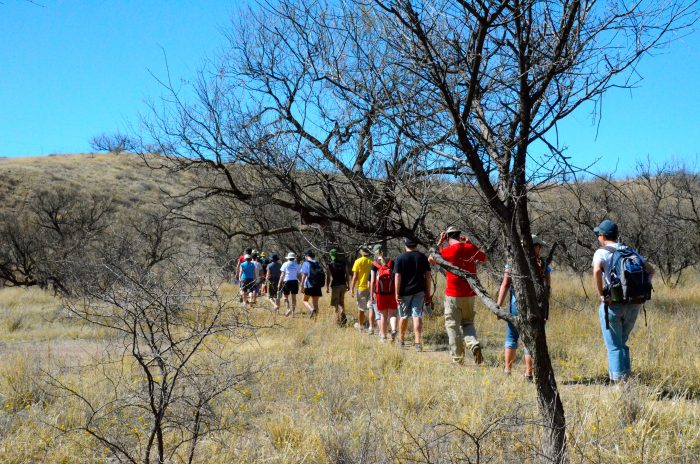
We focus on the environment via hands-on activities, age-appropriate games, and through a variety of hands-on scientific studies. Imagine your students in a real environment, learning not from a book but from butterflies, cacti, trees, the Sun, rocks, and countless other natural features. We guarantee that they will never look at Nature the same way again!
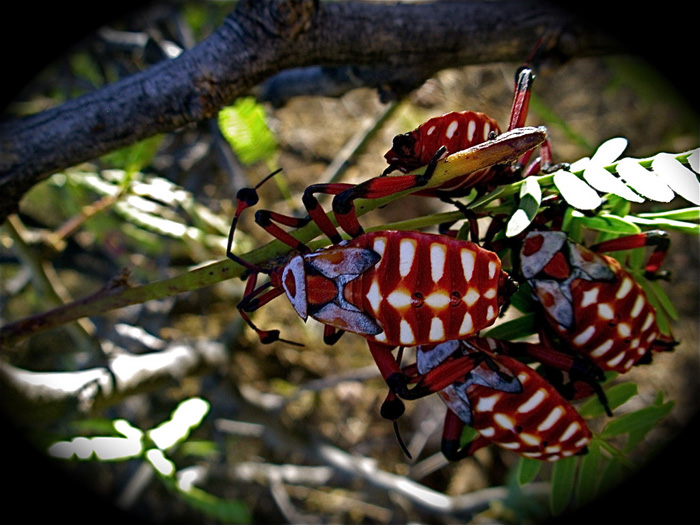
Our basic premise in this and other Science & Ecology classes is that through exploration we begin to experience Nature, which in turn helps us to understand it. This then compels us to love and, finally, protect it. Now more than ever we need to embrace this philosophy of understanding, marveling at, and protecting the Earth.
VII. POND ECOLOGY

Applying many of the same concepts covered under our “Southwestern Ecology” class, we here venture into the aquatic realm. Water, especially clean water, is such a scarce and vital resource to not only humans but to most life found in the Southwest. Your students will explore the plant and animal life of a small wildlife pond at Raven’s Nest or nearby, using dip nets and other equipment to collect their own scientific samples. Some of their finds may be used to restock our aquarium, allowing us a closer look into this watery world. Additionally, we’ll delve into the many threats to our local ponds, lakes, streams, and rivers, noting what each of us can do to conserve our scarce and precious water.
VIII. ORNITHOLOGY (BIRDS)

The Southwestern U.S. is famous for its diversity of bird species within a relatively small area. Many naturalists and conservationists, including Vincent, can trace their initial interest in Nature to birdwatching. It is only logical then to have a special class devoted to our feathered friends. Using binoculars, field guides, scientific surveys, and our own senses, we’ll seek out the beauty and environmental teachings that birds have to offer us. Birds often serve as environmental barometers, alerting us to small and large changes in their local environments, such as pollution, global warming, invasive species, and more. Each student will begin their “life list” of bird species (using the list they receive for Raven’s Nest Nature Sanctuary) which will serve as a reminder of their personal interactions with these fascinating creatures.
IX. MAMMALOGY (MAMMALS)

The study of mammals is an integral part of any science curriculum and a fascinating window into Nature. Using skulls, hides, field guides, tracks, journals, photography, and other tools we will explore the realm of the Coyote, Whitetail Deer, Grey Fox, Pocket Mice, Gophers, Bobcat, Collared Peccary (Javelina), and other local mammals. We can also live-trap smaller mammalian species, studying them in our terrariums prior to releasing them back into the wild. In the process your students will discover the unique role of each species and how they relate to humans, including various conservation issues.
X. HERPETOLOGY (REPTILES & AMPHIBIANS)

What is true of mammals and birds in the Southwest is also true of reptiles and amphibians – namely, we are blessed with a diversity of incredible species that are worthy of our detailed explorations. Starting with safety (i.e. venomous species) and progressing thru scientific study and appreciation, your students will marvel at the adaptations of each species examined. We will set up simple, but effective, live traps seeking to discover the presence of local species. Field guides and our captive native reptiles will also aid in identification and understanding of these often misunderstood species.
XI. BOTANY (PLANTS)

The study of plants, botany, is a fun and necessary foundation for understanding Nature as a whole. Unlike animals the movements of plants are minimal, rendering them admirable research subjects. Thus, clad with botany journals, hand lenses, plant presses, field guides, and other tools we will delve into the sylvan world of plants. Students will document the presence and abundance of a variety of plants, learn about plant conservation, and help to remove non-native (invasive) plants from a study area. Each student will receive our local plant list as a reminder of the diversity and beauty of our plant relatives.
XII. GEOLOGY
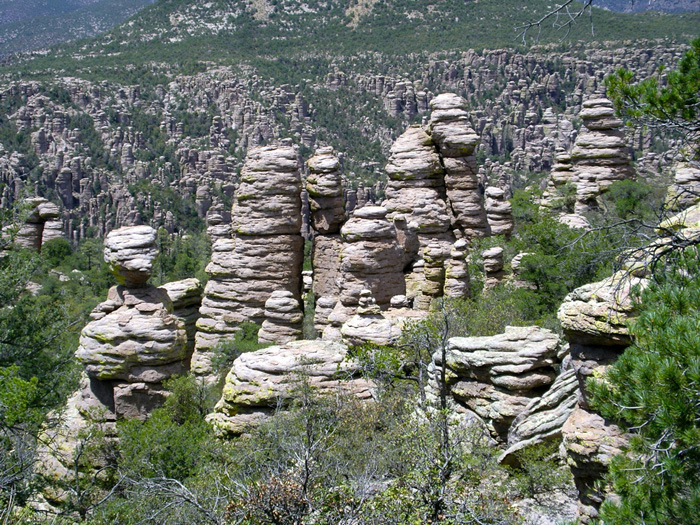
The study of the Earth and its myriad of seen and unseen forces is indeed a humbling enterprise. The scale and magnitude of changes to both the forms and physical environments of the Earth over the course of its existence are profound. Thus, instead of mere words, we will use a field trip to the land itself to demonstrate some basic concepts of geology, such as erosion, earthquakes, deposition, igneous/metamorphic/sedimentary rocks, hardness scale, mountains and valleys, human-induced landform changes (e.g. excessive erosion due to overgrazing and urbanization) and more. Along the way we will visit some of the extinct animals and plants that used to inhabit Arizona and seek to understand the geologic history and possible future of our region.
XIII. THORNS, STINGERS, & FANGS!
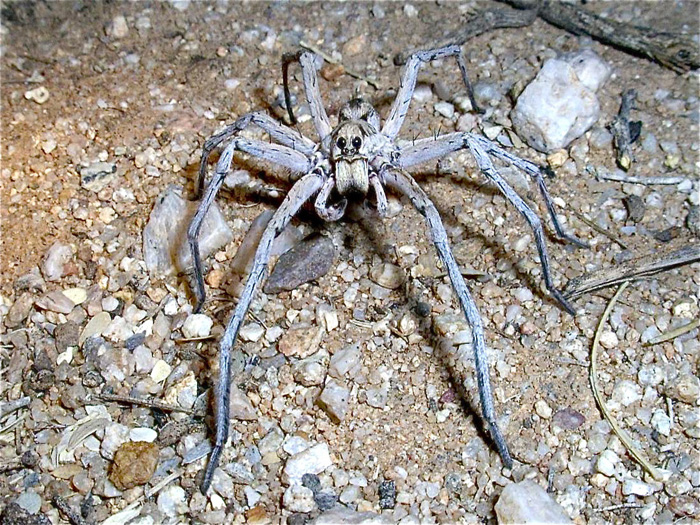
Black Widows, Rattlesnakes, Poison Ivy, spiny cacti, Centipedes, Kissing bugs, Africanized Bees, Ants, Gila Monsters, Scorpions and more – welcome to the Southwest! How in the world can we enjoy the wilds with these species as neighbors? In this class your students learn to tell the difference between truly dangerous animals and plants versus those that we unjustly fear. Further, we’ll delve deeply into the identification, natural history, and first aid involved with each species covered. Not only will students increase their knowledge and safety with each species, they may also discover that they’ve made a few unconventional friends along the way – giving them a wide berth at times!
XIV. AMAZING ARIZONA ASTRONOMY!

The night skies of Southeastern AZ include some of the best celestial viewing sites in North America. Year-round you can explore the mystery of the night skies, including:
- A constellation tour
- Planetary views
- Mysterious Deep Sky Objects
- Seasonal Meteor Showers
- Star and Planetary lore and Mythology
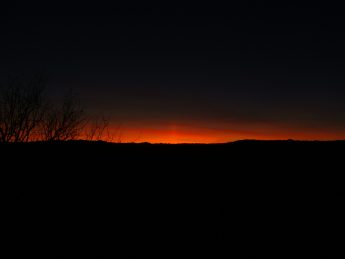
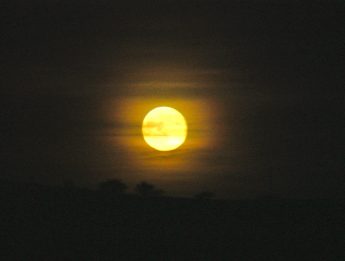
With the aid of cutting edge technology, as well as the ancient sky stories, students will rediscover the joy of gazing at the night sky. Enjoy a Wildlife Safari or Night Walk at Raven’s Nest Nature Sanctuary.
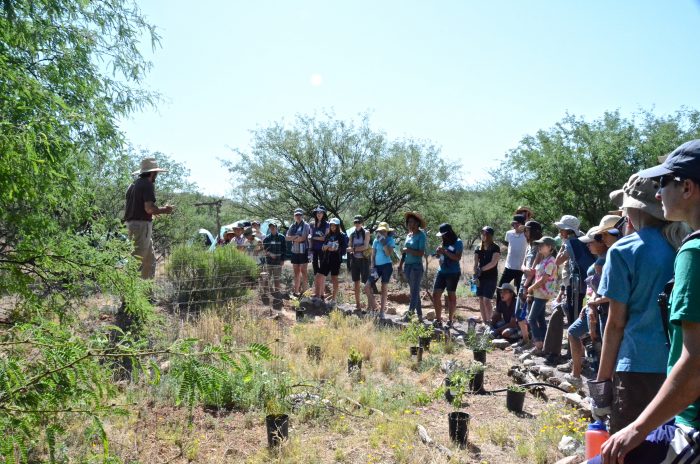
XV. EARTH STEWARDSHIP PROGRAMS
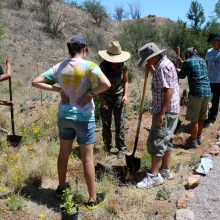


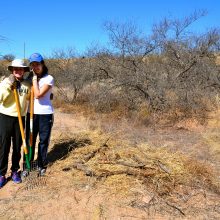

XVI. TEAM BUILDING, PROBLEM SOLVING & LEADERSHIP SKILLS!
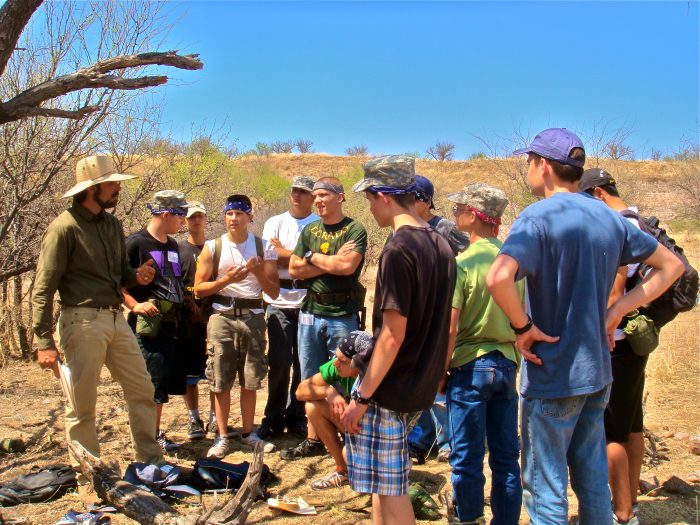

All the Stone-age and Wilderness Survival Skills are opportunities for team growth and for developing and strengthening leadership skills. At RWWJ we constantly highlight how past cultures relied on team work in their communities to accomplish all of the daily tasks that allowed them to thrive! It has been very rewarding for us at RWWJ to witness how the group dynamics improve for all the groups that we host at our Stone-Age Village.
OUR STONE-AGE VILLAGE

Many of our Wilderness Survival Skills, Ethnobotany, and other programs will take place at our unique Stone-age Village. Here we’ve strived to provide a realist example of a small hunter-gatherer encampment. The shelters, tools, and other features of the village provide wonderful examples of various wilderness survival skills, thus serving as an outdoor, living museum. Some feature of our Stone-age Village include:
Thus far, the village includes:
- Flint-knapping Area/Ramada
- Large Lean-to shelters
- Earth-oven & Pottery firing pit
- Group Shade Ramada
- Food-processing Area
- Grass-covered Wickiup,
- Several Conical Wickiups
- A-frame Shelter
- Reed Shade Shelter
- Arroyo Shelter
- Hunting and Trapping site
- Story-telling Area
- Recreational Hearths
- Domed Wickiup
- Fire-making area
- Hide-tanning area
- Hunting and Trapping area


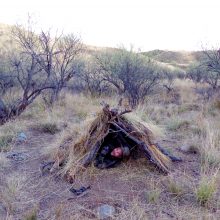

Join us at Raven’s Nest Nature Sanctuary to learn how to make fire without matches, rope from local plants, tools from rocks, shelters from natural materials, natural paint from rocks, and much more at our unique stone-age village!
RAVENS-WAY WILD JOURNEYS HAS BEEN FEATURED IN:
- Patagonia Regional Times – August/September 2019 Read Article
- Nogales International – September 1, 2017 Read Article
- Green Valley News – September 18, 2017 Read Article
- The Vermillion Flycatcher – Tucson Audubon Society Read Article